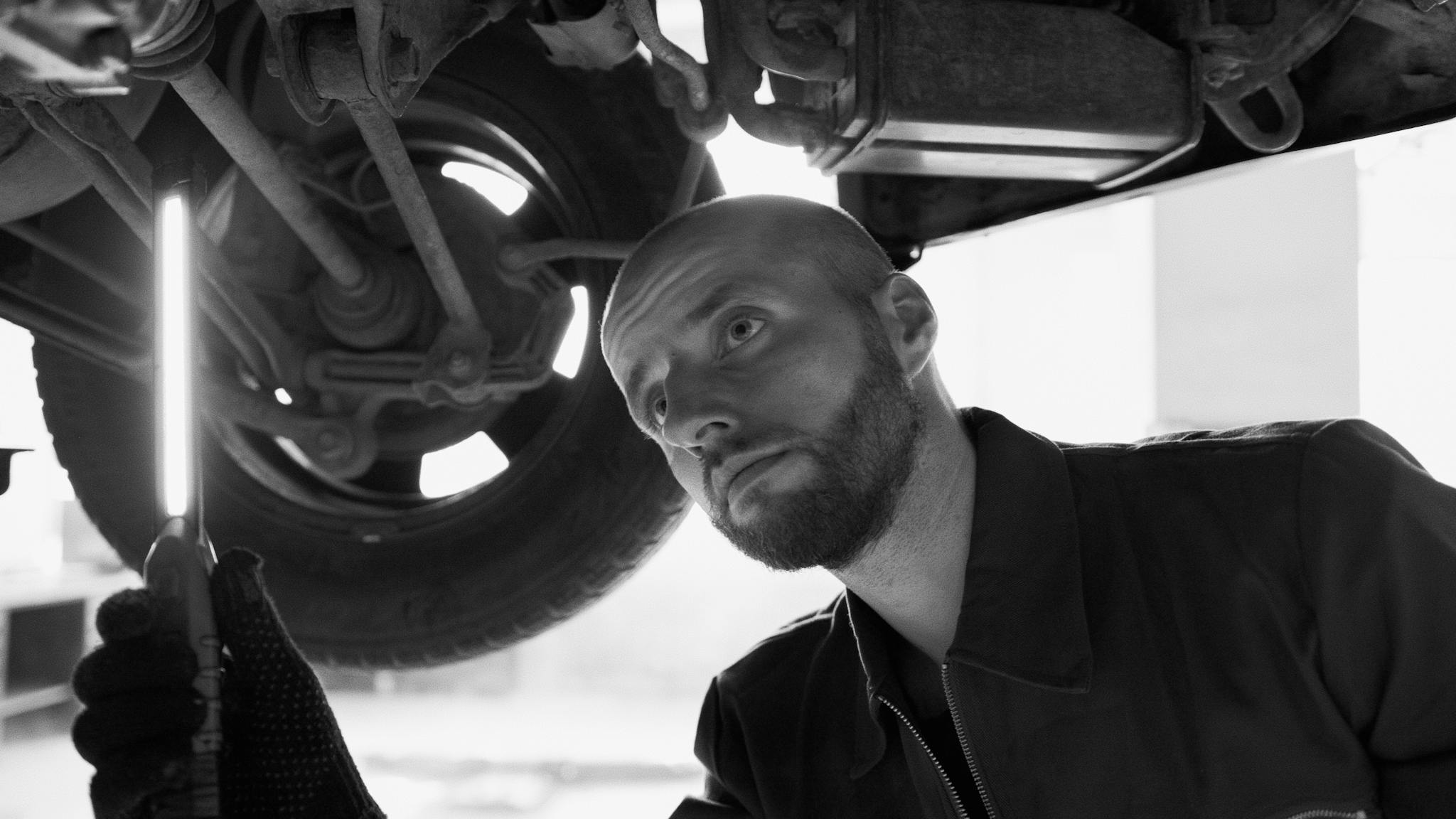
When it comes to owning, buying, or maintaining a car, an inspection is more than a formality — it’s your vehicle’s health report. Whether you’re in the market for a used car or ensuring your current ride is safe and sound, understanding the types of car inspections and what metrics actually matter can save you a ton of stress (and money).
At Best Car Inspector, we break down the entire process so you know exactly what’s being checked — and why it matters.
1. Pre-Purchase Car Inspection
When to do it: Before buying a used car.
Purpose: To uncover hidden issues and make an informed decision.
What’s checked:
- Engine performance & leaks
- Accident or rust damage
- Tyre & brake wear
- Odometer verification
- Diagnostic error codes
- Suspension & alignment
- Service history and compliance
Why it matters: A pre-purchase inspection helps you avoid cars with hidden mechanical problems and gives you negotiation power — you’ll know what the car is really worth.
2. Routine (Periodic) Car Inspection
When to do it: Every 6–12 months or before long trips.
Purpose: To maintain safety, reliability, and performance.
What’s checked:
- Fluid levels (engine oil, coolant, brake fluid, transmission oil)
- Tyre pressure and tread depth
- Battery health
- Brake efficiency
- Exhaust and emissions levels
Why it matters: Even minor wear can lead to expensive breakdowns. Regular inspections keep your car running like new and ensure road safety.
3. Roadworthy / Safety Inspection
When to do it: Required by law before selling, transferring ownership, or registering a vehicle.
Purpose: To confirm the vehicle meets safety standards.
What’s checked:
- Brakes and suspension
- Seatbelts and airbags
- Lights, indicators, and horn
- Steering and mirrors
- Windscreen and wipers
- Tyres and wheel alignment
Why it matters: A roadworthy inspection ensures your vehicle complies with Australian safety laws — especially in states like Victoria and New South Wales, where roadworthy certificates are mandatory.
4. Post-Repair or Diagnostic Inspection
When to do it: After major repairs, accidents, or part replacements.
Purpose: To confirm the repairs are effective and no hidden faults remain.
What’s checked:
- Alignment and balance
- Sensor and electrical calibration
- Engine codes and diagnostic scan
- Structural and frame integrity
- Quality of replaced parts
Why it matters: A quick inspection after repairs ensures your car is genuinely fixed — not just patched up.
Key Car Inspection Metrics You Should Pay Attention To
Here’s what professional inspectors (like us!) always analyze and why they’re important:
| Metric | What It Means | Ideal Range / Condition |
|---|---|---|
| Engine Compression | Power & internal condition | Even across cylinders |
| Oil Quality | Engine health & maintenance | Clear to amber color |
| Brake Pad Thickness | Safety indicator | 4mm or above |
| Tyre Tread Depth | Grip & handling | Minimum 1.5mm (legal) |
| Battery Voltage | Electrical performance | 12.4V–12.7V (engine off) |
| Coolant & Fluid Levels | Engine cooling & efficiency | Within “MAX” line |
| OBD-II Error Codes | Hidden electrical/mechanical issues | None active |
| Mileage vs. Condition | Detects tampering or overuse | Should match wear level |
| Suspension Condition | Ride comfort & control | No leaks or uneven wear |
| Emission Levels | Environmental compliance | Within local standards |
A trusted inspection service will measure all these points — not just glance over them.
Why Choose Best Car Inspector
We combine experience, technology, and transparency to make sure no detail goes unnoticed:
✅ Certified mechanics & inspectors
✅ OBD-II & digital diagnostics tools
✅ Transparent reports with images & data
✅ Easy-to-read rating metrics
✅ Honest, unbiased recommendations
We don’t just tell you if something’s wrong — we show you why it matters.
Book a Professional Car Inspection Today
Whether you’re buying a used car or maintaining your current one, Best Car Inspector offers all types of inspections — from pre-purchase to roadworthy certification checks — across Melbourne and nearby areas.
👉 Book Your Inspection Now
Or call us to get a detailed quote for your car model and location.
Quick FAQ
Q1: How long does a car inspection take?
Usually 60–90 minutes, depending on inspection type and vehicle size.
Q2: Do you provide a digital report?
Yes! You’ll get a full photo-based report via email, including performance metrics and recommendations.
Q3: Can you inspect modified or luxury cars?
Absolutely. Our team handles standard, imported, and performance vehicles.